
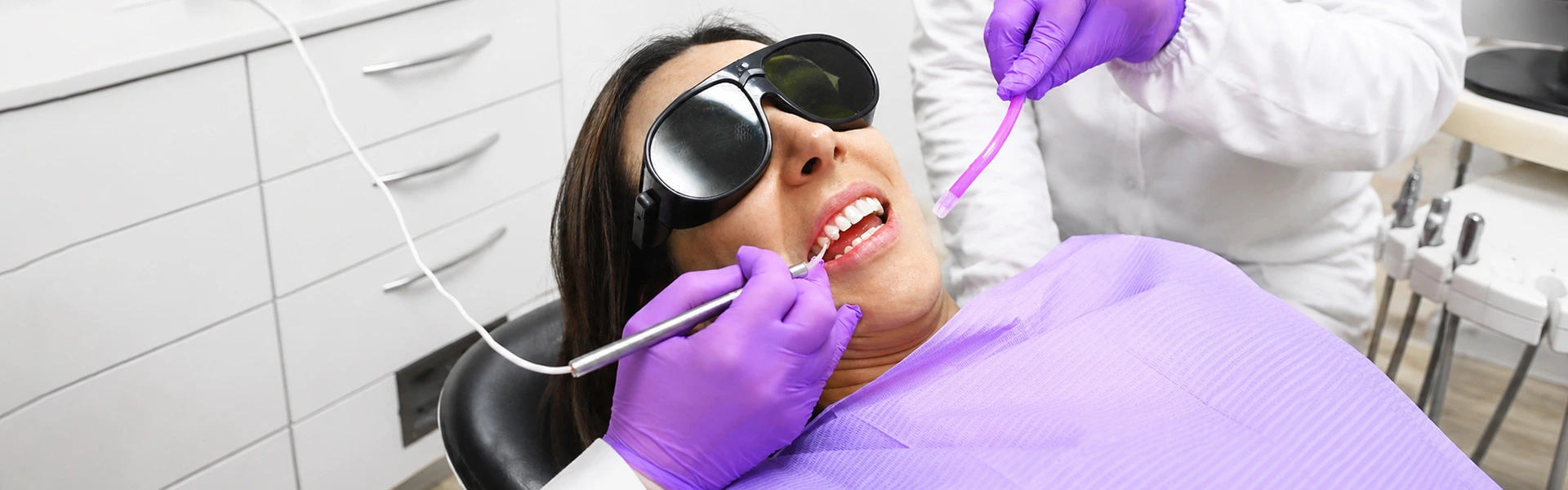
Does Dental Bonding Stain? How to Keep Bonded Teeth Looking Bright
Dental bonding makes use of tooth-colored resin to repair small chips, reshape uneven edges, or conceal certain stains. Over time, the resin may discolor from coffee, tea, tobacco, or changes to its polished surface.
Proper care after dental bonding in Berkeley Heights, NJ can help limit discoloration and maintain the restoration’s appearance.
Why Dental Bonding Can Stain (and How It Differs from Natural Teeth)
The composite material is properly shaped and polished to match nearby teeth. Unlike enamel, resin may lose its smooth finish with everyday wear.
Natural teeth can develop surface stains and deeper discoloration. Composite resin can also change color, but its response to staining differs from enamel. Some pigments may discolor the material, while surface wear can make stains easier to collect.
Common Causes of Bonding Discoloration
Several everyday factors can affect bonded teeth:
- Dark beverages may leave pigments on the resin surface.
- Tobacco products may cause yellow or brown discoloration.
- Pigmented sauces and foods may contribute to staining with repeated exposure.
- Abrasive toothpaste or aggressive brushing can roughen the material.
- Normal wear may reduce the polished finish that helps resist stains.
An examination with a dentist in Berkeley Heights, NJ can help distinguish surface stains from changes within the bonding material.
How to Keep Bonded Teeth Looking Bright
Daily cleaning and gentle brushing help protect the resin’s polished surface.
Daily Habits That Protect Your Bonding
- Brush twice everyday using a fluoride toothpaste and a soft-bristled toothbrush.
- Floss once in a day to remove plaque around bonded areas.
- Rinse with water after staining beverages.
- Avoid biting really hard objects or using your teeth to open packages.
- Ask your dentist before using abrasive whitening products.
Professional cleanings may also remove plaque and certain surface stains that brushing leaves behind.
During routine visits, a dentist in 07922 can check bonded teeth for rough edges, wear, or color changes.
Does Your Diet Matter?
You can still enjoy dark-colored foods and drinks while taking steps to limit staining. Drinking water afterward may help wash away some pigments.
After acidic drinks, wait about 30 minutes before brushing to help protect softened enamel.
Whitening, Repair, and Replacement: What to Do If Bonding Stains
Surface stains may respond to polishing, while deeper color changes or damaged resin may need repair or replacement.
Professional Polishing
Professional polishing can sometimes remove external stains and restore a smoother finish. Results depend on the condition of the material.
Teeth Whitening
Whitening products can lighten natural teeth but generally do not change the original color of composite bonding.
If you want to have whiter teeth, ask your dentist whether whitening should be completed before bonding is repaired or replaced. If the shades no longer match, your dentist can assess whether the restoration needs repair or replacement.
Repairing or Replacing Bonding
Depending on the damage, the dentist can repair part of the bonding or replace it entirely.
A dentist near me search can help locate professional care for stained bonding. Avoid scraping the resin or trying abrasive home remedies, which may damage its surface.
When Does Stained Bonding Need Prompt Attention?
Color changes alone are usually cosmetic concerns. Seek a dental evaluation if the bonding chips, the tooth becomes painful, or sensitivity develops.
If an injury leaves a painful or sharp tooth edge, an emergency dentist near me search may help you find a dental office that can assess the damage promptly. Call ahead, describe the injury, and ask when the tooth can be examined.
Schedule a Dental Bonding Evaluation in Berkeley Heights
Jersey Smile offers dental bonding services in Berkeley Heights, NJ. Schedule a consultation to have discolored or worn bonding examined and discuss suitable next steps based on your dental needs.
Frequently Asked Questions
Yes. Composite resin may discolor over time, particularly when its surface becomes worn or is frequently exposed to staining substances.
Whitening products generally do not lighten composite resin. Your natural teeth may become lighter while the bonded areas retain their original shade.
Professional polishing may remove surface stains. If the resin has changed color internally, repair or replacement may be needed. Avoid abrasive home treatments.
How long bonding retains its color depends on staining habits, daily cleaning, and the condition of the resin surface. Some bonded teeth maintain a close color match for years, while others develop visible stains sooner.
Author's Bio

Dr. James L. Berkeypile uses dental bonding to repair chips, gaps, and discoloration with minimally invasive techniques. This efficient cosmetic solution helps restore appearance and confidence. Patients choose Jersey Smile – Berkeley Heights, NJ, for bonding services from a skilled dentist in 07922.